Blue Hole and Azure Window Dive in Gozo: Guide to Dwejra Marine Park
Dive Site Information Sheet
Site name:
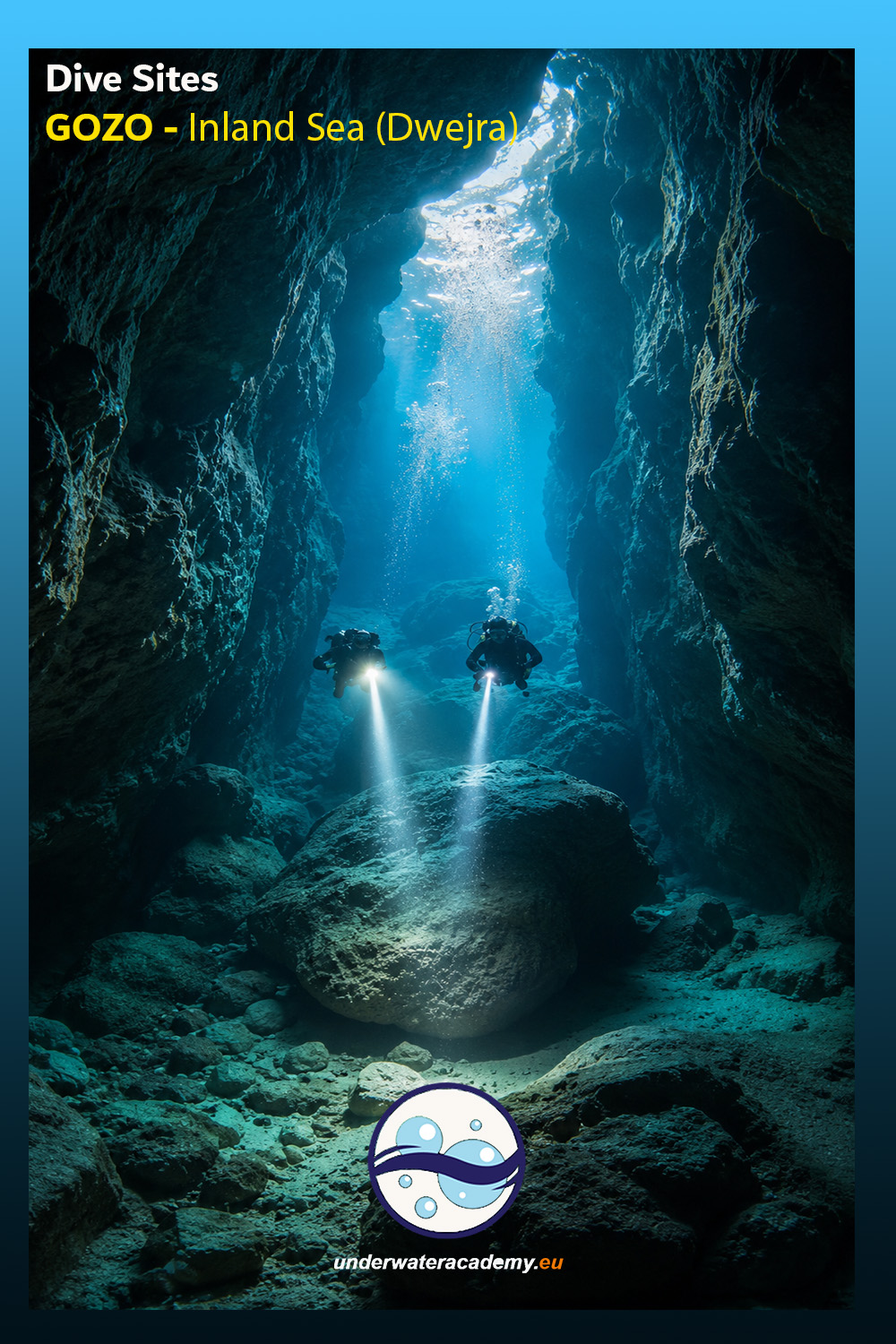
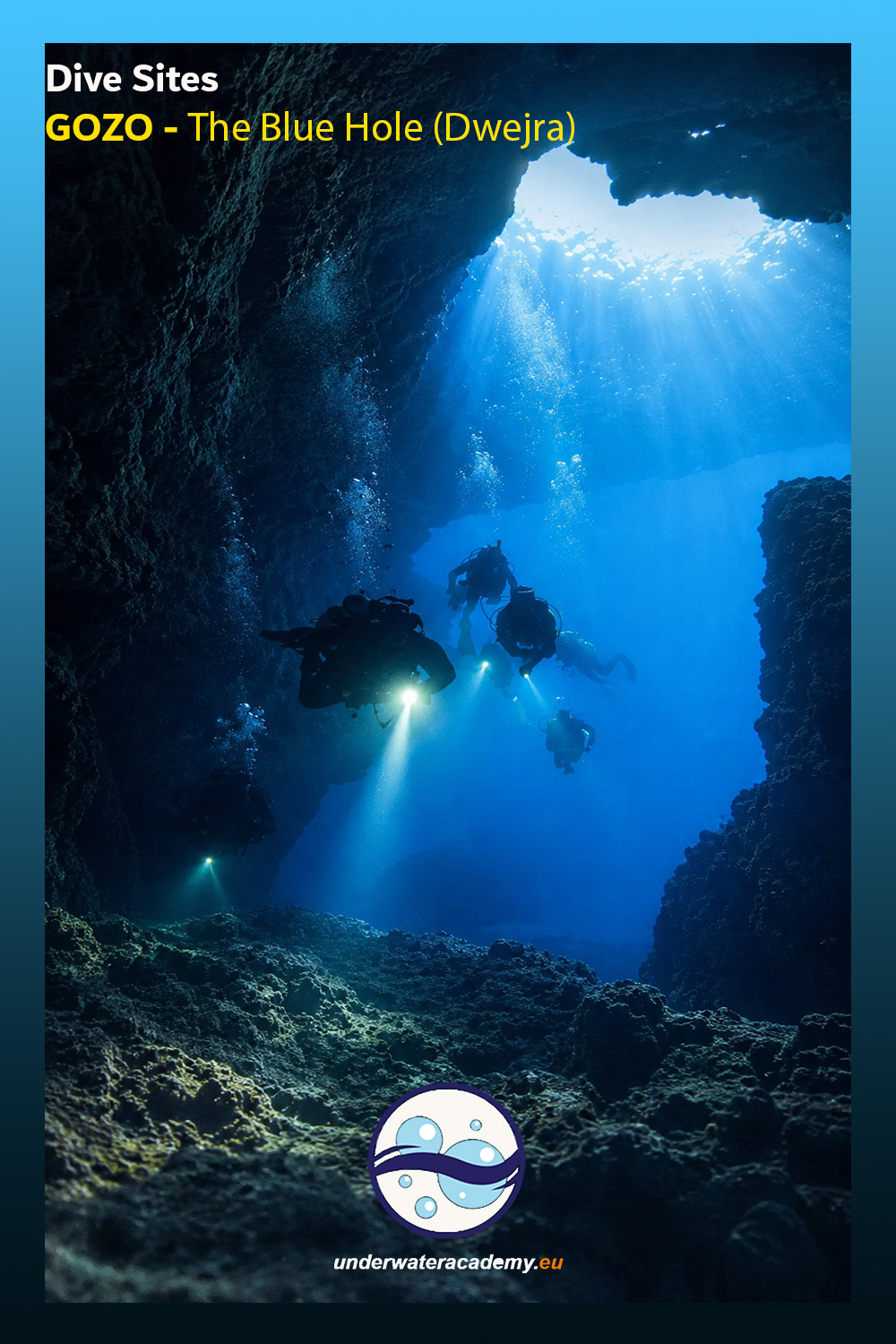
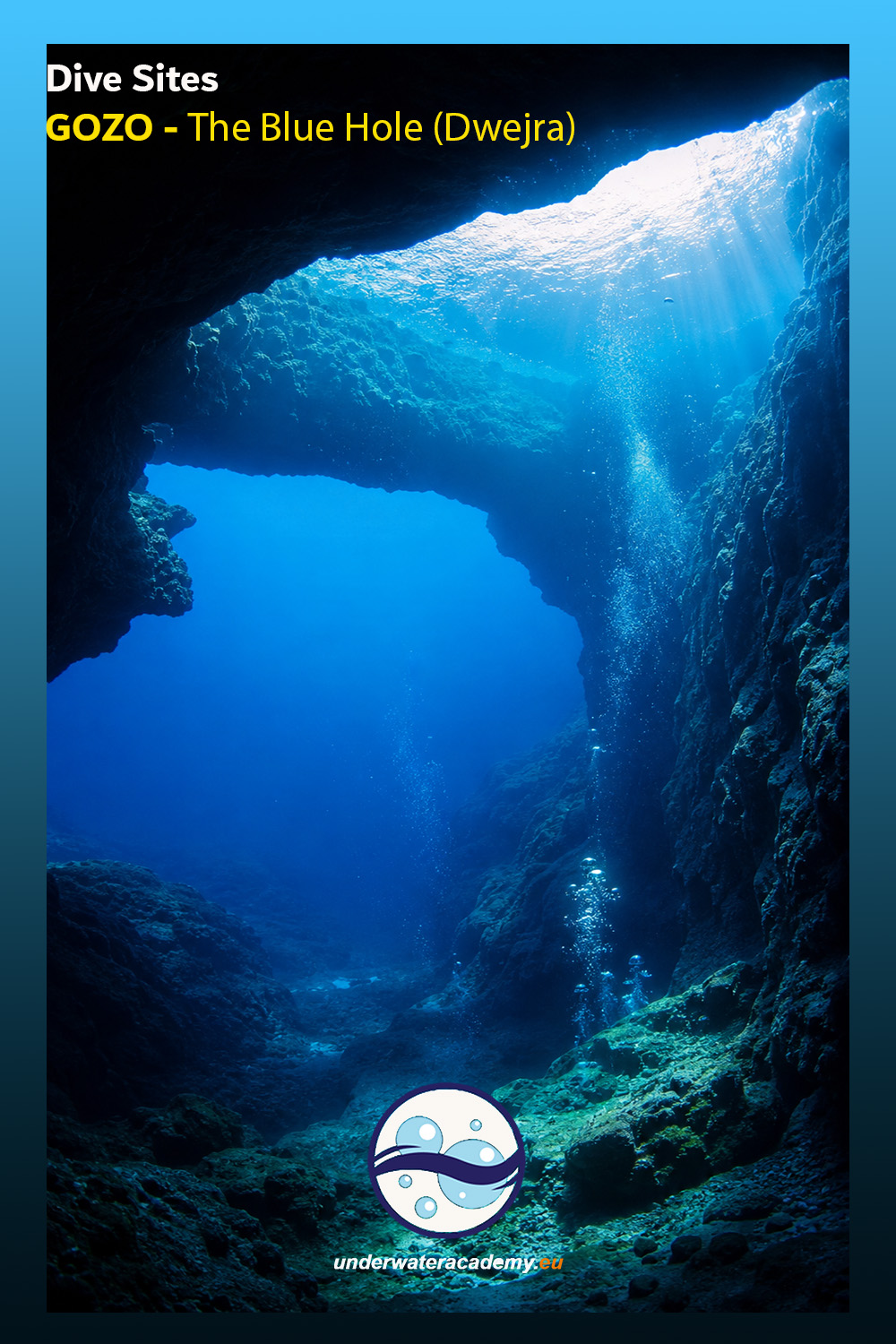
The Blue Hole (Dwejra)
Type of dive:
Cave, natural chimney, and rocky reef (former arch)
Historical background:
The site was home to the famous Azure Window, the impressive natural rock arch that permanently collapsed on March 8, 2017, due to a violent storm. Today, the majestic remains of the arch lie on the seabed outside the Blue Hole, creating a new and spectacular underwater morphology known as Azure Reef.
Seabed type:
Limestone rock and massive boulders resulting from the collapse of the arch
Depth:
From 1 meter down to approximately 60 meters
Suitable for experienced divers:
Open Water Diver (pool area) / Advanced Open Water (Azure Window remains and caves)
Recommended time of year:
From May to October for visibility and calm sea conditions
Average water temperature:
15°C – 26°C at the surface / 14°C – 18°C at maximum depth.
Technical recommendations
The choice of wetsuit should reflect the season and the planned dive profile between the Blue Hole and the new external rock formations. During the summer months, a 5mm wetsuit is perfect for enjoying the warm surface waters, while the use of a semi-dry suit is highly recommended in spring and autumn when temperatures drop significantly below the first few meters. A dry suit remains the preferred choice for those intending to explore the remains of the Azure Window at greater depths or during winter. It is essential to bring an underwater torch to illuminate the cracks between the collapsed boulders and the inner chimney cave where natural light only partially penetrates. To maximize bottom time among the giant submerged rocks, the use of Nitrox is the best strategy, allowing divers to explore more calmly the complexity of the new natural artificial reef created by nature.
Do you want to swim among the remains of the legendary Azure Window? Fill out the contact form to organize your guided dive at the Blue Hole with our experts.

FAQs ( The Blue Hole Dwejra, Gozo )
What Happened to the Azure Window in Gozo? Collapse and Dive Site Guide
The iconic natural arch collapsed into the sea on March 8, 2017, after decades of erosion and a final storm; its enormous rock blocks have now become a new and exciting dive site.
Can You See the Azure Window Remains While Snorkeling in Gozo?
Although the upper section is visible from the surface, exploring the largest boulders and the new cavities requires scuba diving to fully appreciate the true scale of the collapse.
Marine Life Around the Azure Window Rocks in Gozo
The new seabed boulders have created a perfect habitat for groupers, moray eels, sea bream, and schools of barracuda patrolling the outer area of the Blue Hole.
Freediving Courses at the Blue Hole in Gozo
Yes, the Blue Hole is one of the preferred locations for freedivers thanks to its natural protection from the wind and its vertical depth, which allows impressive training sessions in a unique setting.
Is the Blue Hole Dive More Difficult After the Azure Window Collapse?
The dive has become technically more interesting; the entrance from the pool area remains the same, but external navigation among the Azure Reef boulders requires good buoyancy control and orientation skills.
Emergency First Response Primary and Secondary Care PADI Course
Follow us on our official social media
Dive Sites Malta
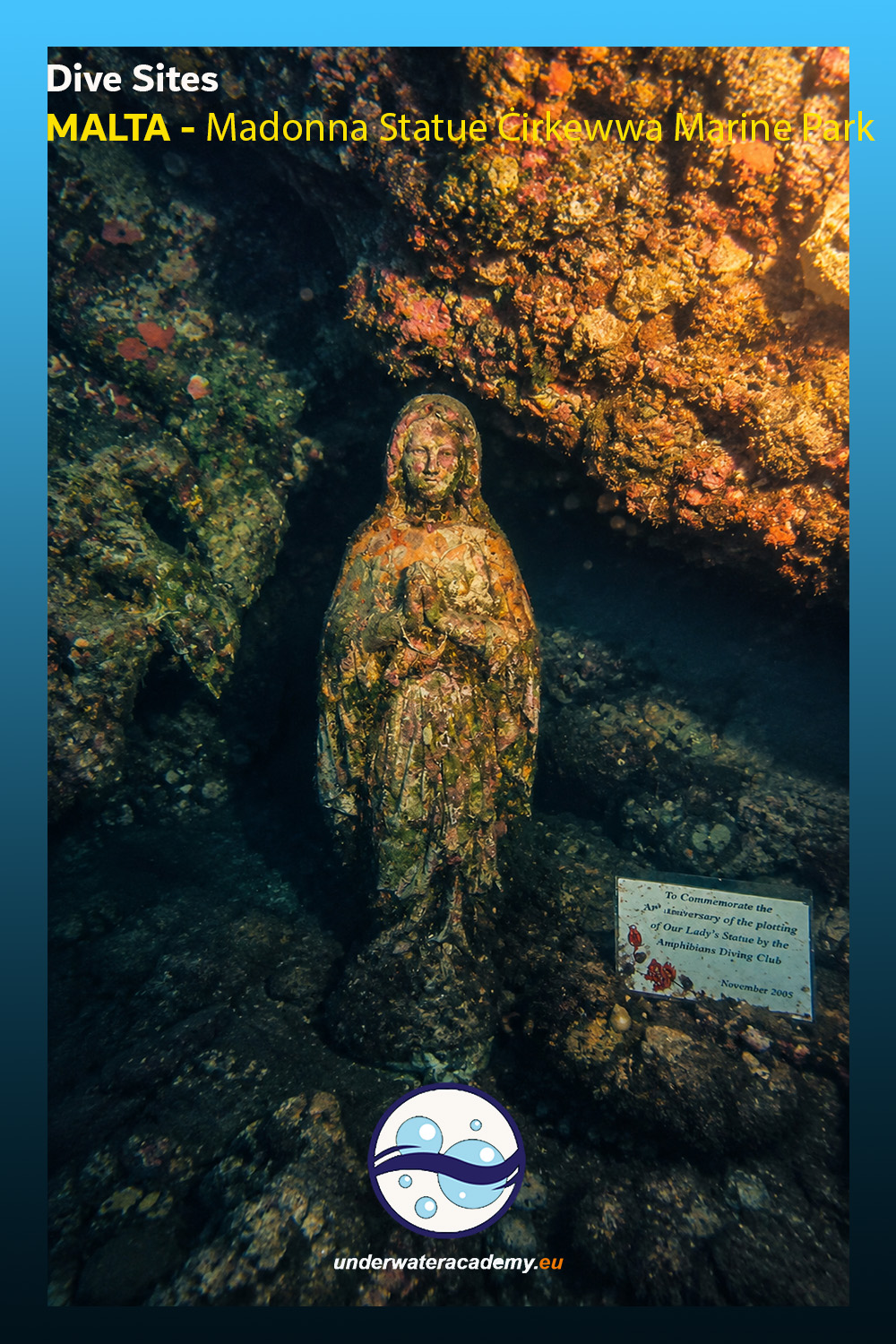
- Madonna Statue (Ċirkewwa Marine Park)

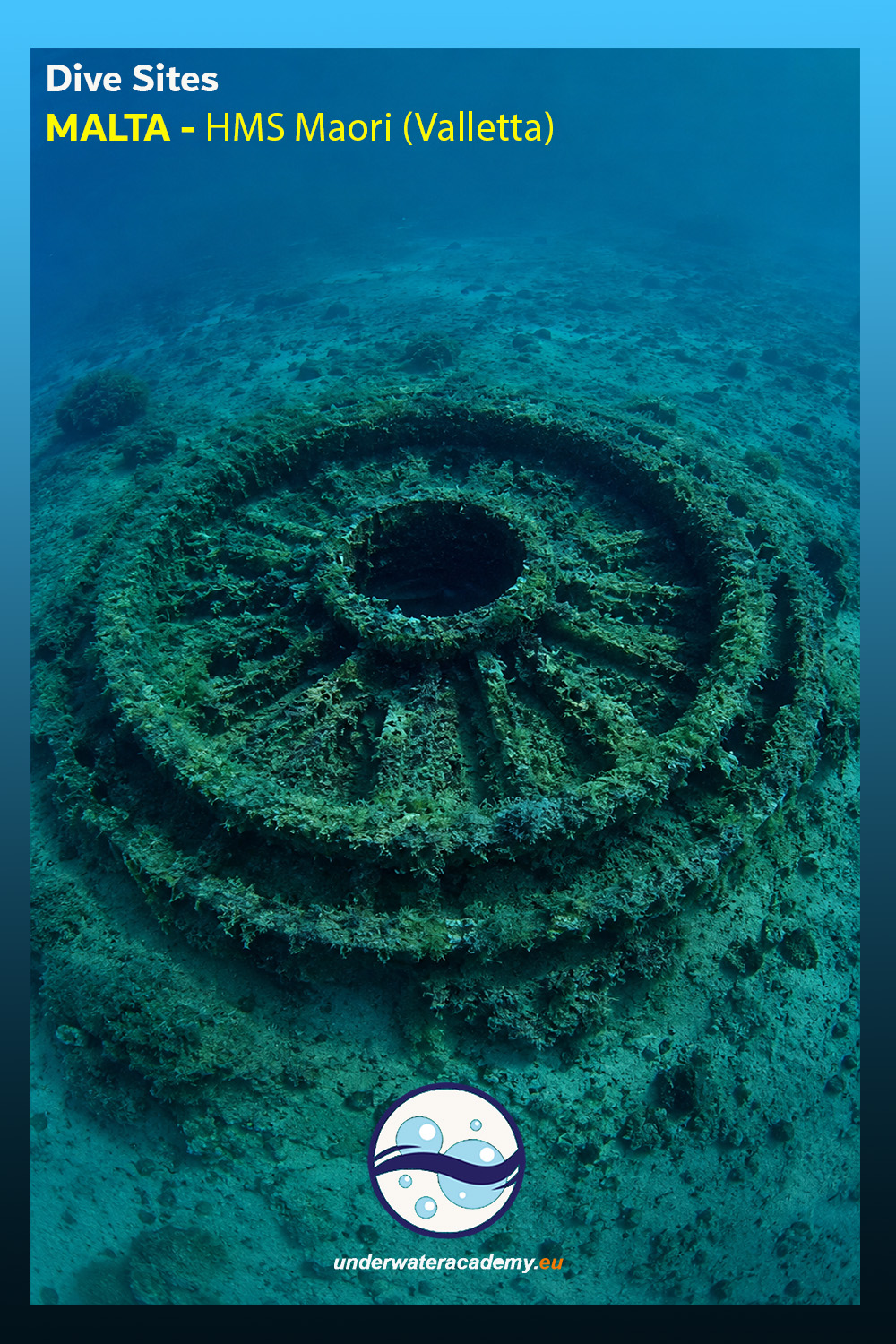
- HMS Maori Historic World War II Wreck Dive
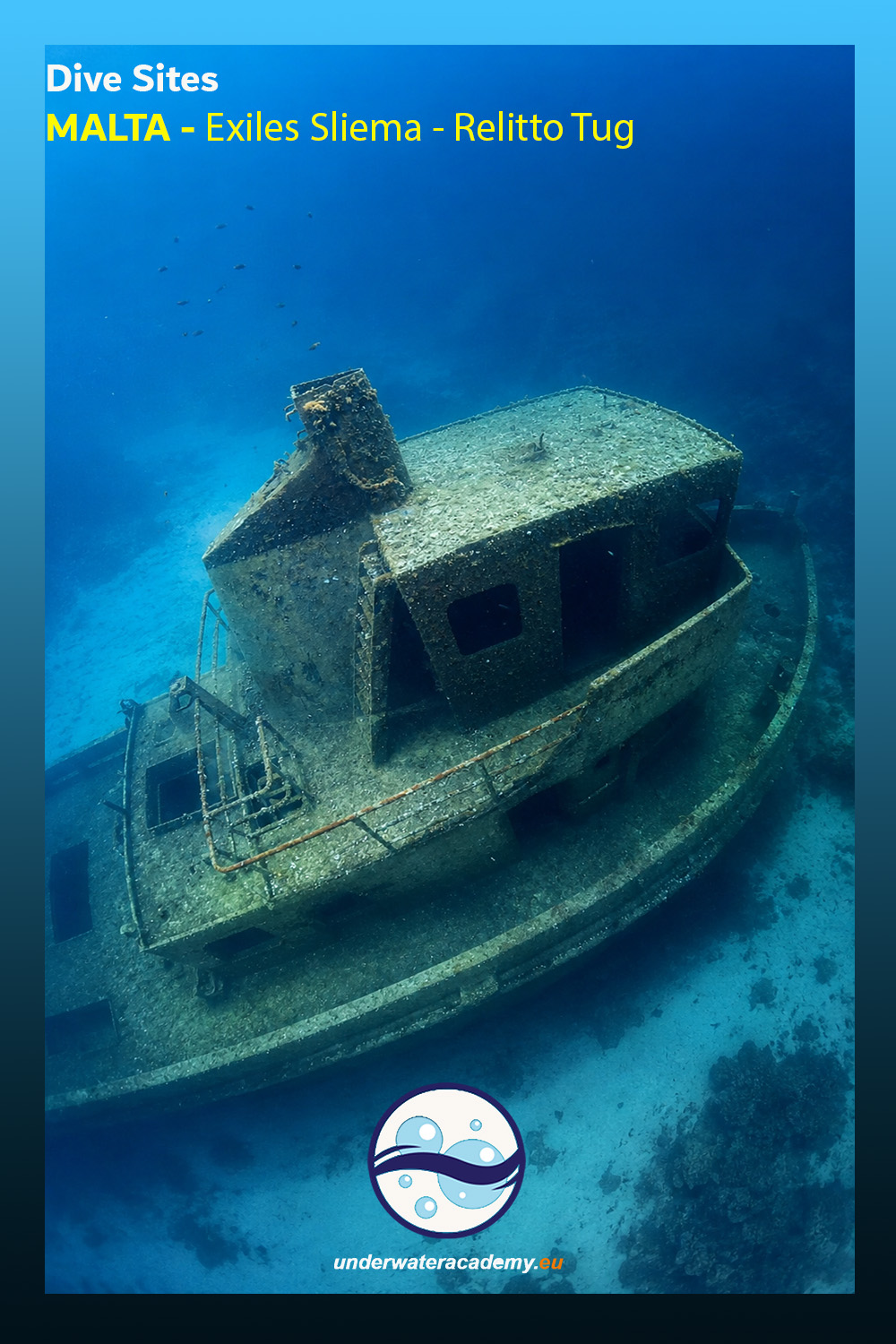
- Dive MALTA – Exiles Sliema – Relitto Tug 2
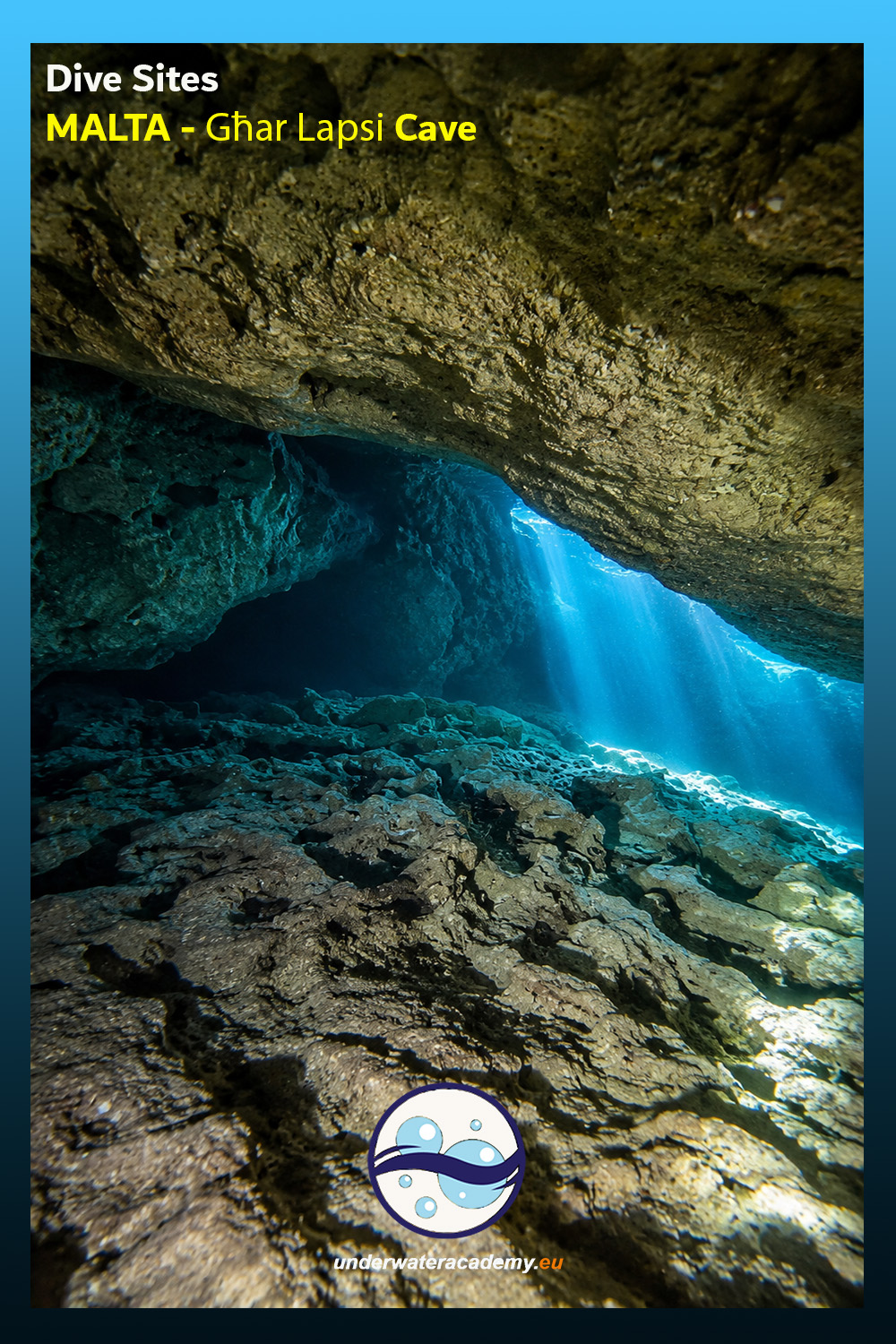
- Diving at Għar Lapsi Malta
- MALTA – Ċirkewwa Shallow – Beginner Level: Open Water Diver and Confined Water
- MALTA – Anchor Bay (Popeye Village) – Beginner Level: Discover Scuba Diving and Confined Water